Managing large-scale construction projects—characterized by complex timelines, budgets, and regulations—requires the structure and governance provided by a Project Management Office (PMO). A PMO ensures that construction projects stay on track, meet safety and quality standards, and deliver expected results within budget and schedule constraints.
What is a PMO in Construction?
In the construction industry, the PMO is responsible for overseeing the governance of projects, ensuring compliance with industry regulations, and maintaining high safety standards. By standardizing processes and coordinating across teams, the PMO helps manage the entire project lifecycle, from planning and procurement to execution and final delivery.
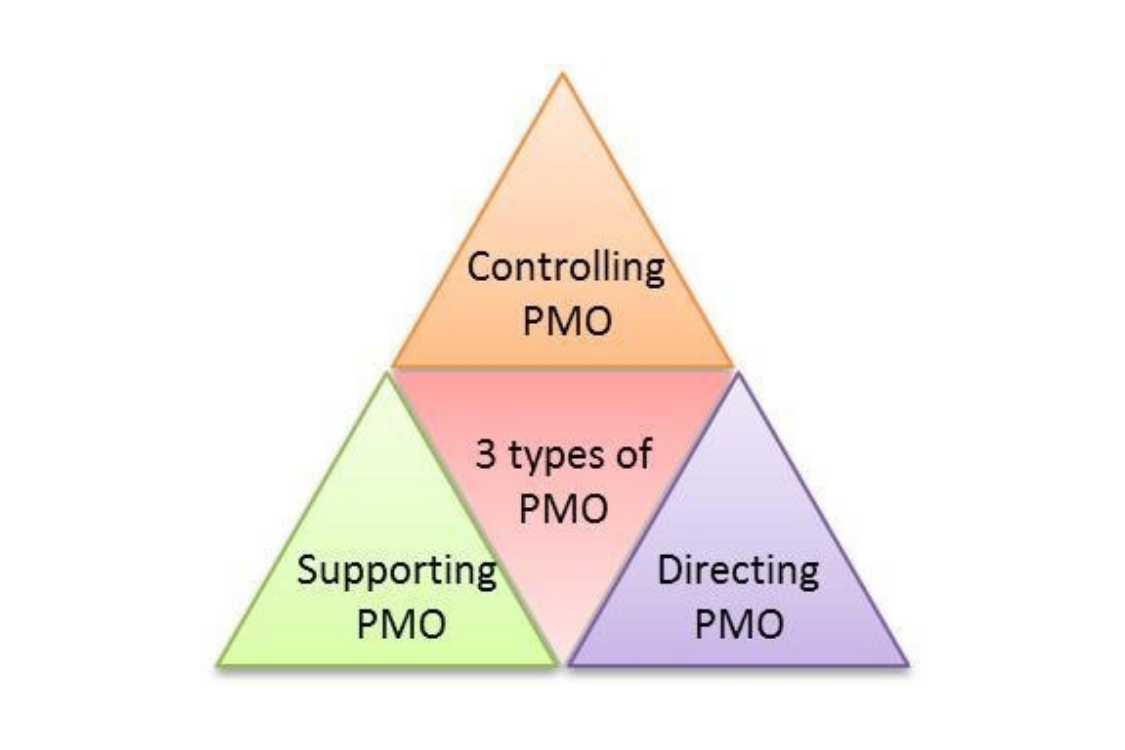
Three Types of PMOs in Construction Projects
Large construction projects vary in complexity and scale, which means the PMO can take on different forms depending on the level of control and involvement required. Let’s take a closer look at the three main types of PMOs and how they operate in the context of construction:
1. Supportive PMO
A Supportive PMO provides project teams with guidance, templates, and lessons learned from previous projects. This type of PMO acts as a resource hub, offering teams access to best practices, policies, and standardized documentation. In construction, this might include templates for project timelines, safety protocols, and budget tracking.
The Supportive PMO has a low level of control, making it ideal for construction projects that are being managed by experienced teams who simply need resources and guidelines. The Supportive PMO steps in when needed but allows project managers to operate independently, giving them the flexibility to adjust based on specific site conditions and requirements.
2. Controlling PMO
The Controlling PMO takes a more active role in managing projects. It provides support and guidance but also ensures that project teams follow established processes, tools, and organizational standards. In construction, this might involve providing training on project management software, assisting with risk management tools, and ensuring that all teams comply with local building codes, safety standards, and environmental regulations.
A Controlling PMO exerts a moderate level of control by monitoring adherence to the project plan and ensuring compliance without micromanaging. This model is ideal for complex construction projects where multiple subcontractors are involved, and ensuring coordination and consistency across teams is essential.
3. Directive PMO
A Directive PMO takes complete responsibility for the management and outcome of construction projects. It provides dedicated project managers who are accountable for every phase of the project, from initial design and site preparation to construction and final inspections.
With a high level of control, the Directive PMO is highly involved in decision-making, resource allocation, and risk management. This is the best fit for large, high-risk construction projects, such as infrastructure developments or massive commercial builds, where strict adherence to deadlines, budgets, and quality standards is critical. The Directive PMO ensures that no detail is overlooked and that every aspect of the project is aligned with the organization’s goals and regulatory requirements.
Key Functions of a PMO in Construction
A PMO in construction brings a range of benefits by managing and coordinating the various moving parts of a large project. Here’s how a PMO adds value to large-scale construction:
- Managing Interdependencies: With so many teams and phases happening simultaneously, the PMO ensures that all teams coordinate effectively and that interdependencies between tasks are managed efficiently.
- Resource Allocation: The PMO helps allocate essential resources such as materials, equipment, and labor, ensuring that every phase of the project has what it needs to stay on schedule.
- Cost & Compliance Control: Monitoring budgets, controlling costs, and ensuring compliance with safety regulations and building codes are crucial PMO responsibilities. The PMO ensures there are no costly overruns or compliance failures.
- Change & Risk Management: Construction projects often face unexpected challenges, such as weather delays or site issues. The PMO manages scope changes and risks, ensuring that adjustments are made without impacting the overall success of the project.
- Data-Driven Decisions: By collecting and analyzing data at every stage, the PMO provides valuable insights that help optimize future construction phases and improve decision-making.
Why a PMO is Critical During Construction Initiation
The initiation phase is one of the most critical stages of a construction project. The PMO ensures that clear objectives are set, stakeholders are aligned, and that the project complies with all legal and regulatory requirements. Its early involvement ensures the right foundations are in place to deliver the project on time, within budget, and to the highest standards.
Conclusion
A PMO is a vital part of any large construction project. Whether it provides support, enforces compliance, or takes full control of project management, a well-functioning PMO ensures that construction projects are delivered efficiently, safely, and to the highest standards. With the right PMO structure in place, organizations can mitigate risks, manage costs, and ensure that their construction projects contribute to long-term success.